Where should you place preserved moss art in your home?
Understanding where preserved moss art works best
Preserved moss wall art brings a slice of the outdoors inside without the maintenance that live plants demand. Because the moss is no longer alive, it needs no water, soil, or sunlight. But its color stability and texture do depend on where you put it. The right spot keeps the piece looking fresh for years, while a poor location can lead to fading, brittleness, or dust buildup. So where does preserved moss art thrive? The short answer is: in areas with indirect light, stable humidity, and minimal moisture. Kitchens, bathrooms, hallways, living rooms, and office corners all can work, provided you avoid direct sun, steam, and excessive dryness. Below is a closer look at each room and what to watch for.
Indirect light is key
The single most important factor is light. Preserved moss has been treated with a glycerin-based solution that keeps it soft and green. That treatment does not protect it from ultraviolet rays. Direct sunlight will cause the color to fade, sometimes within months. Even bright, unfiltered light through a south-facing window can accelerate the change. The moss may shift from a rich green to a pale yellow or brown over time. To avoid this, choose a wall that receives indirect light. An east- or north-facing room is ideal. If the only option is a sunny spot, consider a sheer curtain to diffuse the light. The same principle applies to artificial light: intense halogen or LED spots placed too close can also dry out the moss and alter its color.
Humidity and moisture considerations
Preserved moss is not a fan of high humidity. The glycerin inside it can absorb moisture from the air, making the moss feel damp or even cause the backing board to warp. Bathrooms with poor ventilation, laundry rooms, or kitchens without an exhaust fan are risky choices. If you do want a moss piece in a bathroom, place it away from the shower and ensure the room has good airflow. A small exhaust fan run during and after showers helps keep humidity levels moderate. Similarly, avoid hanging moss art directly above a stove, kettle, or dishwasher. Steam carries moisture that can settle on the moss and encourage mold growth. On the flip side, extremely dry air is also a challenge. Forced-air heating in winter can strip moisture from the room, leaving the moss brittle. A room humidifier or grouping the moss with other plants can maintain a balanced environment.
The best rooms for preserved moss art
Living rooms and family rooms
These are often the safest and most natural choices. The lighting is usually moderate, humidity is stable, and the room sees regular use. A large moss panel behind a sofa or above a fireplace creates a calming focal point. Just keep it a few feet away from a working fireplace, as heat and soot can affect the moss. In a living room, the moss can also act as a natural sound absorber, reducing echo in open-plan spaces.

Home offices
An office is another strong candidate. The controlled environment, consistent temperature, and low humidity make it a safe spot. The biophilic effect - the sense of connection to nature that greenery provides - can boost focus and reduce stress. A small moss piece near a desk works well, as long as it is not in the path of a direct air conditioning vent. The constant airflow can dry out the moss faster than normal room air.
Hallways and entryways
These transitional spaces often have no windows or very small windows, which means indirect light by default. That is good for the moss. But they can also be drafty, especially near exterior doors. A draft of cold or hot air from outside can create microclimates that affect the moss. If you hang a piece in an entryway, check that the door seal is tight and that the art is not in the direct line of a draft when the door opens. A small piece in a covered porch or mudroom is also possible, as long as that space remains within the home’s conditioned envelope and does not experience outdoor temperature swings.
Where to be cautious
Kitchens
A kitchen can work, but only in the right spot. Avoid areas near the stove, sink, or dishwasher. Grease particles from cooking can settle on the moss and attract dust. Steam from boiling water can raise humidity temporarily. A kitchen island with a pendant light or a wall opposite the stove might be fine if the stove has a good range hood. The moss should be at least a few feet away from any heat source. A small piece on a shelf above the counter, away from the cooking zone, is a safe bet.
Bathrooms
As noted, bathrooms are tricky. If you have a large, well-ventilated bathroom with a window, a moss piece can work on a wall that does not get splashed. But the risk of moisture damage is real. Some people use preserved moss in bathrooms as a statement piece above the toilet or on a wall opposite the shower. In those cases, the moss is purely decorative and not handling live plant conditions. Still, check the backing material - a water-resistant backing is a good idea if you try this.

Dust and maintenance
One of the selling points of preserved moss is low maintenance, but it is not zero maintenance. Dust will settle on the surface, especially in rooms with carpet or open windows. A gentle puff of air from a hair dryer on the cool setting, or a soft brush, can remove dust without damaging the moss. Avoid using water or cleaning sprays, as they can reactivate the glycerin and cause the moss to become sticky or discolored. A room with a good air filter will keep the moss cleaner for longer.
Natural wall decor and interior styling
Preserved moss fits well into a neutral palette and complements natural materials like wood, stone, and linen. It adds texture without overwhelming the space. Because the moss is a single tone of green, it can anchor a room that otherwise leans on earthy tones or whites. In a busy room with patterned wallpaper or bright artwork, a moss piece can provide a calming counterpoint. The key is to treat the moss as part of the overall design, not as an afterthought. Consider the scale: a large panel in a small room can feel heavy, while a small piece in a large wall can get lost. Home decor trends increasingly lean toward biophilic elements, and preserved moss is a practical way to bring that feeling into a space without the commitment of live plants.
Color stability over time
Even in ideal conditions, preserved moss will gradually shift in color. The treatment process typically locks in the green for several years, but the exact lifespan depends on the quality of the preservation and the environment. In a room with low light and stable humidity, you can expect the color to remain vibrant for three to five years, sometimes longer. After that, the moss may take on a more muted, earthy tone. Some people like that aged look, while others prefer to replace the panel. If you want the color to last as long as possible, keep the moss out of direct sun and away from heat sources.
Final placement tips
Before you hang a preserved moss piece, spend a day observing the light in the room. Note where the sun falls at different times. Also feel for drafts from vents, windows, or doors. If the spot feels comfortable to you - not too hot, not too cold, not drafty - it is probably fine for the moss. The phrase "Home" is where your moss art will live best, as long as you choose a location that respects its limits. A well-placed piece can transform a corner, add life to a neutral space, and require almost nothing from you except an occasional dusting. That is the real appeal of preserved moss: it brings nature indoors without the chores.
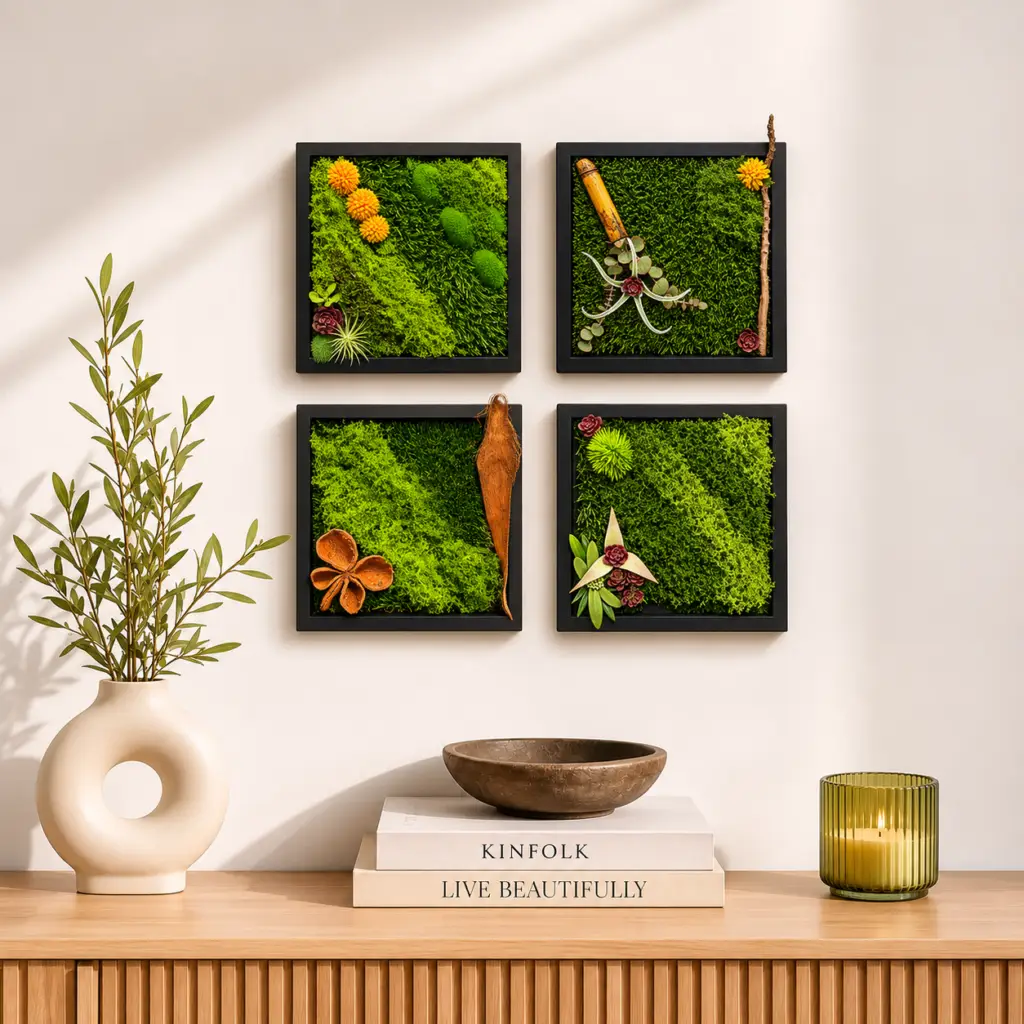
In the end, the best place for preserved moss is any room where you can control the environment. The phrase "Home" in this context means more than just a building - it means a space that you have tailored for comfort and beauty. By matching the moss to the room’s conditions, you get a piece that stays beautiful for years and feels like a natural part of the decor.